
Industry insight
How Telematics Cuts Fleet Fuel Costs
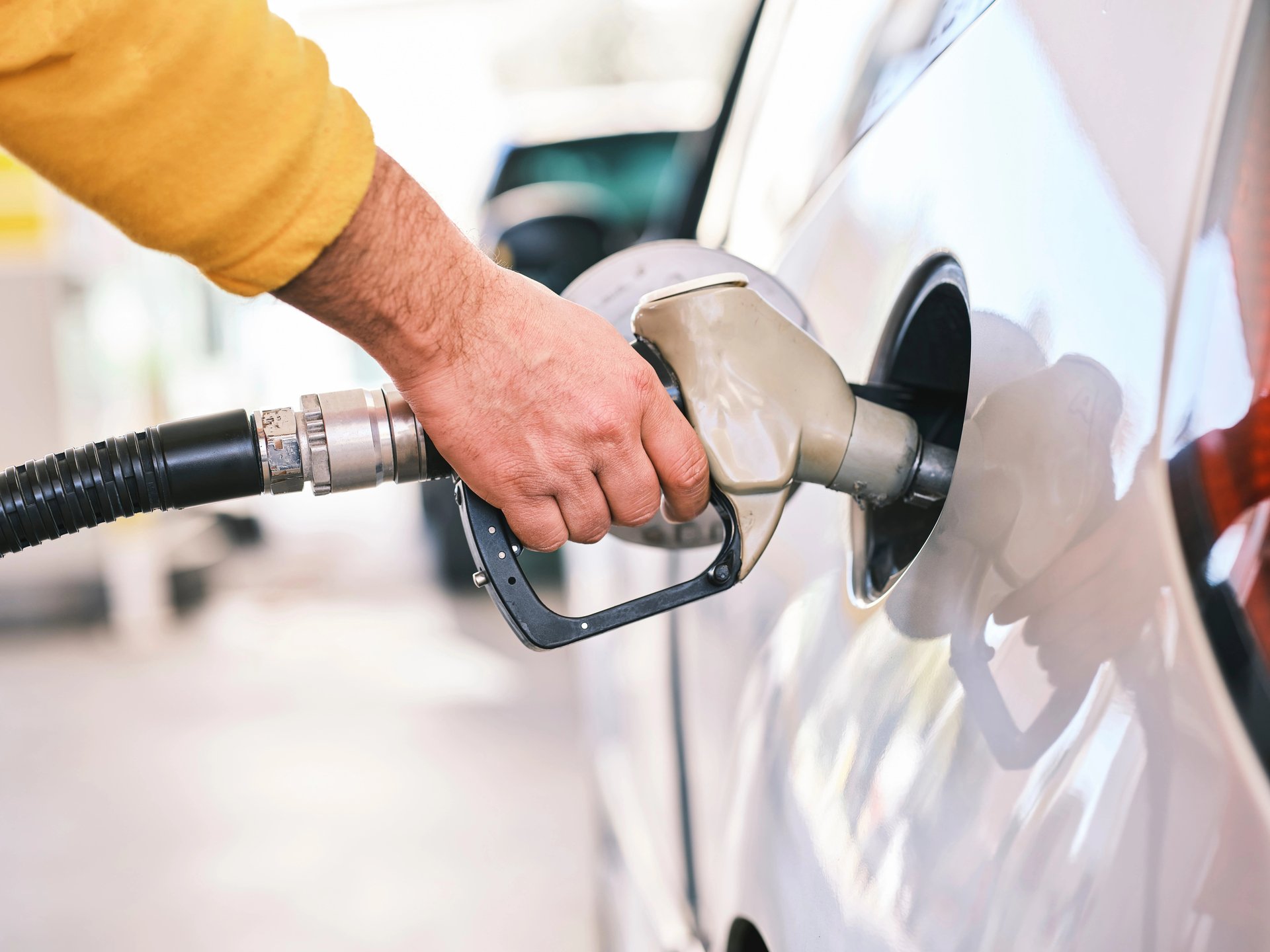
Fuel is a cost you can actually control
Fuel prices fluctuate. Fleet managers cannot control the pump price, but they can control how much fuel their fleet burns. Telematics data makes that control precise and systematic. Commander captures the operational behaviour that drives fuel consumption, and surfaces it in a form that enables action.
Here are the five highest-impact levers.
1. Speed compliance: the most direct lever
Speed is the single most direct link between how a vehicle is driven and how much fuel it burns. Excessive speed, harsh acceleration, and aggressive braking all consume more fuel than smooth, consistent driving, and the difference adds up fast across a large fleet.
Commander’s alarm manager monitors speed compliance and notifies fleet managers when violations occur. Violations are logged with time, location, and duration, giving fleet managers objective data for targeted conversations with drivers about the connection between speed and fuel cost.
2. Unnecessary idling: the silent drain
Trucks idling with the engine running for ten minutes or more are burning fuel without moving a millimetre of cargo. Across a fleet, unnecessary idling represents a significant and entirely avoidable cost.
Commander identifies idling events and can trigger notifications for custom-defined scenarios, alerting dispatchers or fleet managers when a vehicle has been stationary with the engine on beyond a set threshold. Identifying the pattern is the first step to eliminating it.
3. Smarter dispatch: the right vehicle in the right place
Consider a practical scenario: Driver A has two hours of remaining driving time and is near Munich. Driver B has thirty minutes remaining and is near Augsburg. A pickup opportunity becomes available near Munich. Without live data, a dispatcher assigns whoever answers the phone first. With Commander, the decision takes seconds: Driver A’s position and remaining time are immediately visible, and the optimal assignment is obvious.
Smarter dispatch means fewer detours, less backtracking, and fewer empty kilometres. Every unnecessary kilometre is wasted fuel.
4. Route planning and real-time support
Live data in Commander enables dispatcher-driver communication that is grounded in facts, not guesswork about where a vehicle might be. Remaining driving and rest times are visible in real time. High-consumption patterns can be detected early and addressed before they compound into major costs.
5. Identifying fuel-inefficient vehicles
Not all vehicles consume equally. Fleet composition analysis in Commander enables direct comparison of fuel consumption across the fleet, identifying outliers that are costing disproportionately. Live vehicle fuel consumption data, combined with mileage records and operational patterns, surfaces the vehicles that warrant priority maintenance, replacement, or operational restrictions.
The goal is simple: every vehicle doing the most work at the lowest cost. Commander gives you the data to achieve it.
Cut fuel costs with data, not guesswork.
Book a demo and discover how Commander's live tracking, speed compliance monitoring, and dispatch tools reduce fuel consumption across your fleet.